Special rates available for Students - please contact me
How I Work
You may be surprised to hear that I don’t believe therapy is about fixing people — because I don’t believe people are inherently broken.
What I do understand is how the weight and complexity of modern life can shape the way we think, feel, and cope. Sometimes the strategies we develop to get through our lives can start to work against us.
Everyone’s story is different and my approach is tailored to your circumstances and goals. My role is to offer a space where you feel safe, heard, and are free from judgement. From there, we can begin to make sense of things together — at your pace.
And, in time, we can find a way forward that feels clearer and more your own.
"Many people suffer from the fear of finding oneself alone, and so they don't find themselves at all."
Rollo May
The Technical Stuff
My work is grounded in the Person-Centred approach developed by Carl Rogers with a focus on creating a strong and enduring therapeutic relationship. I draw upon the latest Neuroscience research into what makes therapy effective, so while our work together is deeply personal, it is also informed by evidence rather than vague theory or fluffy mysticism.
Integrating my background in Neuroscience informs how I understand patterns of thought, emotion, and stress. Where useful, I may draw on this to help you make sense of how these patterns develop and how change can occur over time.
I also integrate ideas from Existential Therapy, particularly when exploring questions around the "givens of existence" including isolation, meaning, freedom, responsibility, and death.
While I don’t limit my work to specific issues, I have a particular interest in areas such as ADHD and neurodivergence, the impact of narcissistic or complex relationships, anxiety linked to technological change (including AI), and questions around faith and belief.
My practice is supported by regular supervision and I am an accredited member of the National Counselling & Psychotherapy Society as well as a member of the British Association of counselling & Psychotherapy.


About Me
Why did I become a therapist? Because I have experienced first-hand the power of counselling and the transformative effect of a strong therapeutic relationship.
Through my own therapy, I found a sense of purpose for the first time in my life. That experience led me towards becoming a counsellor. Along the way, I have brought together my background in neuroscience, my work in healthcare, and my own lived experience to shape the way I work.
My experience has shown me that with the right space and support, people can better understand themselves, find their footing again, and move forward in a way that feels more authentic and sustainable.
Ultimately, I do this work because I care deeply about helping people grow and flourish. To see them achieve this - that is my real purpose.
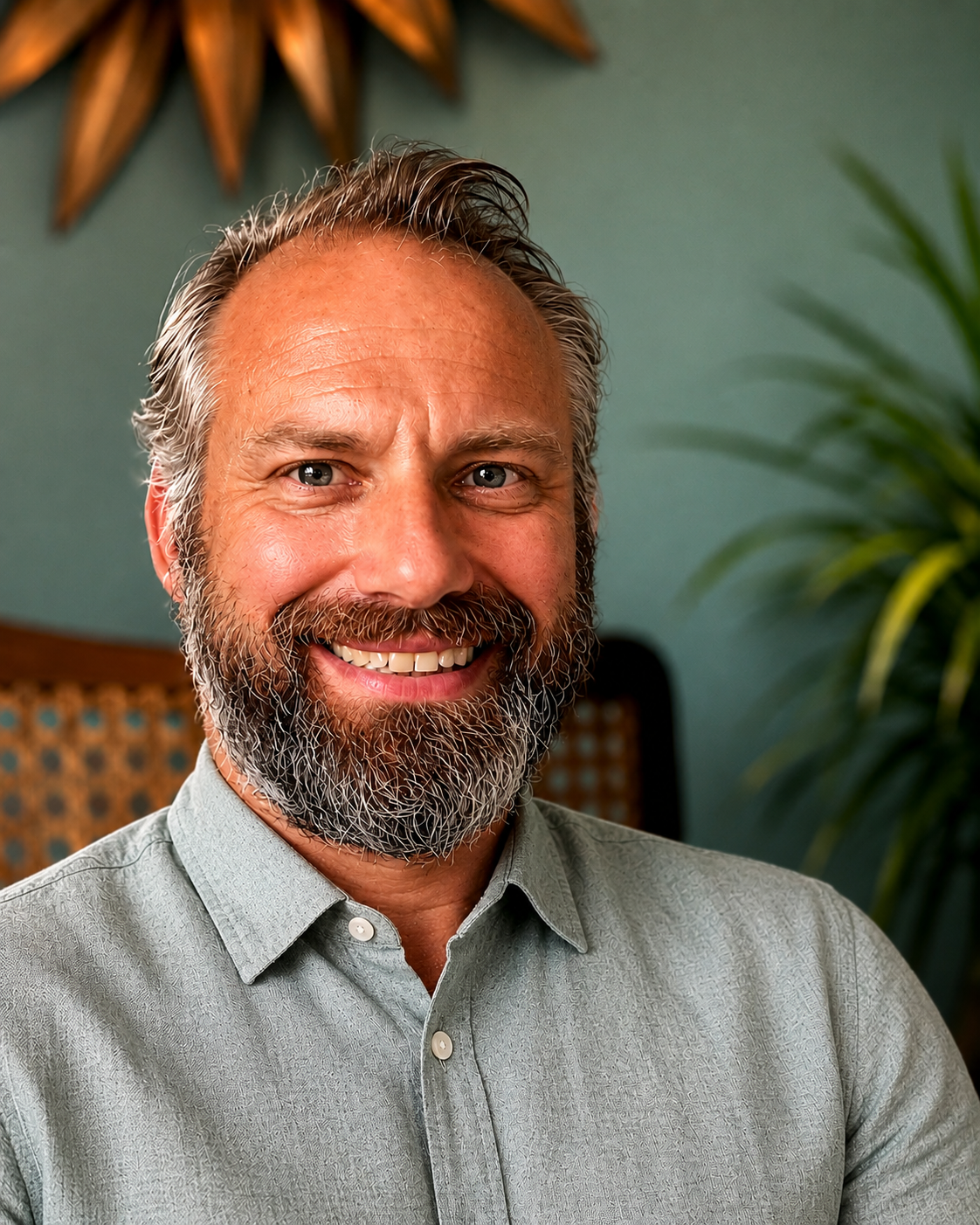
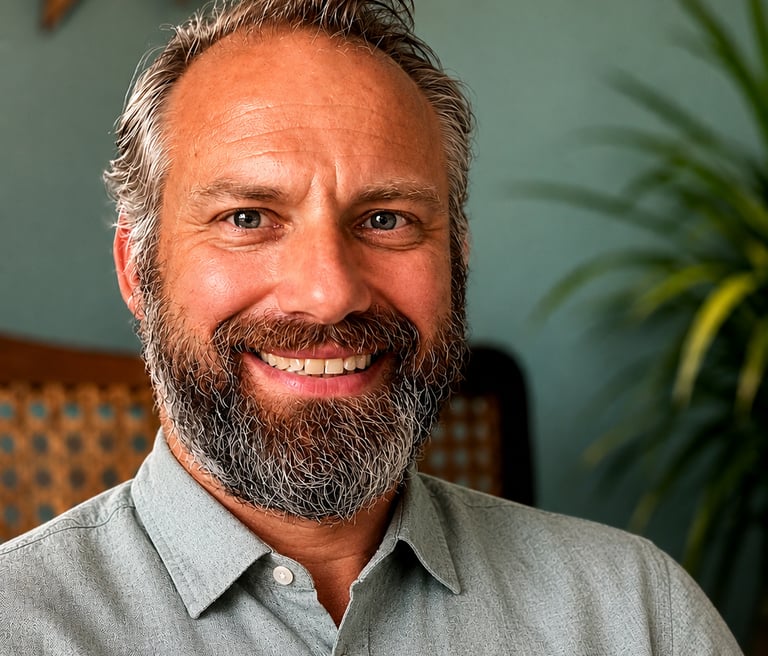
MA, MBA, MRes, VetMB, Dip. Couns, Cert CD, MRCVS, MBACP, Accred. MNCPS
Location
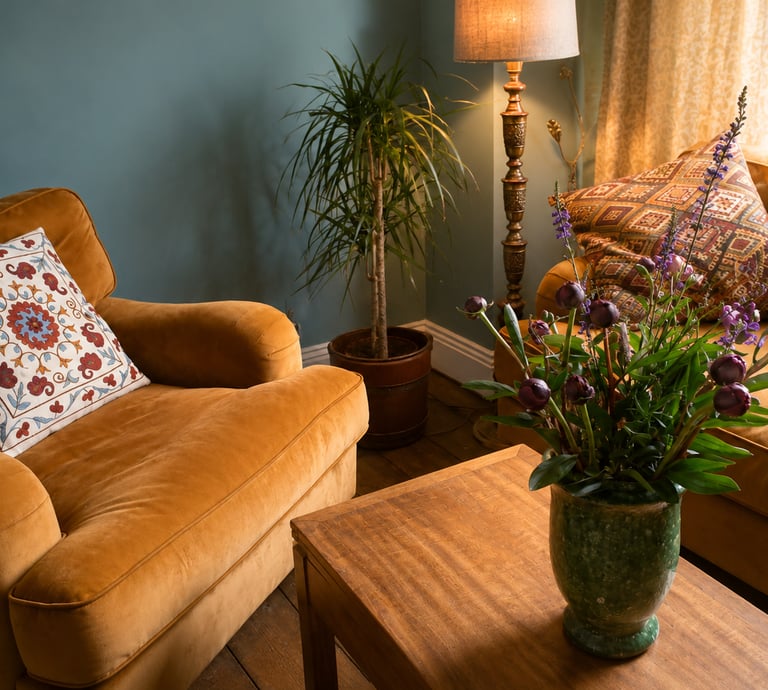
My practice is nestled in a quiet, welcoming space designed for thoughtful conversation and reflection in the heart of Plymouth, Devon, UK.
Address
169 Pasley Street, Stoke, Plymouth PL2 1DT
Contact
Please reach out whenever you are ready
Phone
christianbamber@proton.me
(+44) 07871 062 995
© 2025. All rights reserved.


privact & data protection policy